Dyeing & Finishing
Cochineal
Insect red with extraordinary intensity
Specifications
| Source | Dactylopius coccus (insect) |
|---|---|
| Active compound | Carminic acid, 17 – 24 % |
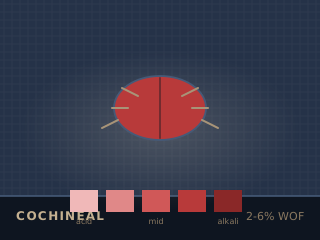
| Colour range | Scarlet, crimson, magenta, purple |
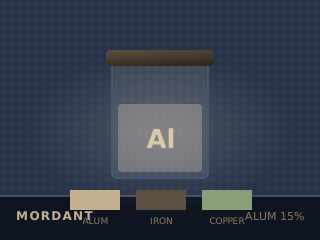
| Mordant | Alum; tin brightens, iron darkens |
| Dye on fibre weight | 2 – 6 % |
| Lightfastness | Good (better on protein fibres) |
Technical parameters
| Bath pH | Acid → scarlet, alkaline → purple |
|---|---|
| Dye temperature | 80 – 90 °C |
| Dye time | 30 – 60 minutes |
| Water hardness | Soft preferred |
| Cost | High per gram, very strong |
Overview
Cochineal is a scale insect from Central America and the Andes, and its carminic acid gives the most intense natural red and magenta available. It takes very little to dye a lot, and an acid or alkaline bath shifts it from scarlet through crimson to purple.
Typical figure for this stage: 30 – 60 °C. Wet-finish, full or press the cloth so the fibres relax and the weave settles.
Safety notes
Cochineal is a fine powder and a known respiratory and contact sensitiser — wear a dust mask and gloves when weighing it, and keep it out of the air. It can trigger reactions in people with insect allergies. Tin mordants are toxic: never use them in aluminium pans, never inhale the powder, and keep them strictly away from food. Dye baths must not be poured into waterways untreated. Label and lock away all materials.
Using it well
- Cochineal is expensive but potent: 2 % of fibre weight is often enough.
- Add a pinch of cream of tartar for scarlet, a little chalk or soda ash for purple.
- Silk takes cochineal more brilliantly than wool — it is the classic silk red.
- Do not boil hard; a rolling boil dulls the shade.
Practise it in 3D
Run this stage as an interactive simulation, with the same figures this page quotes.
Open the simulator