Dyeing & Finishing
Mordant
The metal that fixes the colour
Specifications
| Alum (potassium aluminium sulfate) | 10 – 20 % WOF |
|---|---|
| Iron (ferrous sulfate) | 1 – 3 % WOF — strong |
| Copper (copper sulfate) | 2 – 5 % WOF |
| Tin (stannous chloride) | 1 – 2 % WOF — harsh |
| Method | Pre-mordant, co-mordant or post-mordant |
| Temperature | 60 – 90 °C, 45 – 60 min |
Technical parameters
| Alum effect | Bright, clear, colour-true |
|---|---|
| Iron effect | Saddens, darkens, greys |
| Copper effect | Deepens greens and blues |
| Tin effect | Brightens, can make fibre brittle |
| Cream of tartar | Assists alum, brightens |
Overview
A mordant is a metal salt that bonds dye to fibre. Without one, most natural dyes simply rinse out. Alum gives clear, bright colours; iron saddens them to greys and blacks; copper shifts greens and deepens blues; tin brightens but is harsh on the fibre.
Typical figure for this stage: 30 – 60 °C. Wet-finish, full or press the cloth so the fibres relax and the weave settles.
Safety notes
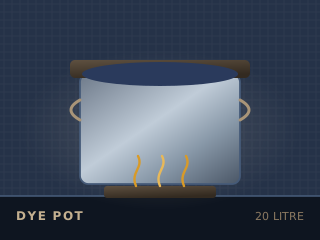
Mordants are metal salts and are toxic if ingested; some, such as tin and chrome, are seriously so. Wear gloves, goggles and a mask when weighing powders, never eat or drink in the dye area, and store everything in labelled containers well away from food, children and animals. Use dedicated stainless or enamel pots — never aluminium, which reacts, and never a cooking pot. Dispose of spent baths according to your local regulations; do not pour them into stormwater or onto garden beds.
Using it well
- Alum is the safe default: it gives the brightest colour and is the most forgiving.
- Iron is powerful — 1 % of fibre weight is usually plenty, and 3 % will grey almost anything.
- Mordant at 60 – 80 °C for an hour, then cool in the bath so the metal bonds evenly.
- Never mordant in the same pot you cook in. Keep a dedicated dye pot, clearly marked.
Practise it in 3D
Run this stage as an interactive simulation, with the same figures this page quotes.
Open the simulator